
Your Designers (0)
Close (X)
Loading
Close (X)
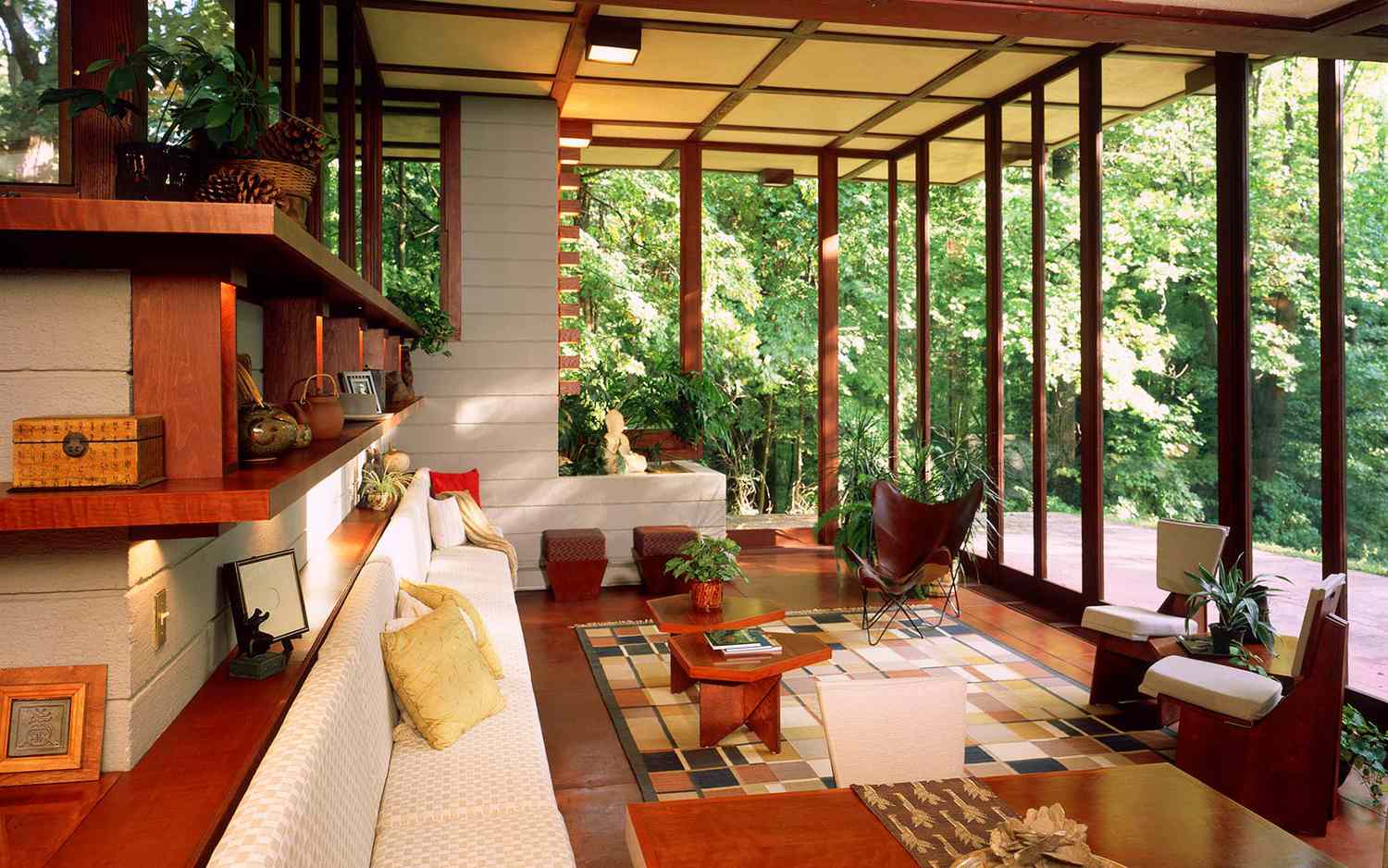
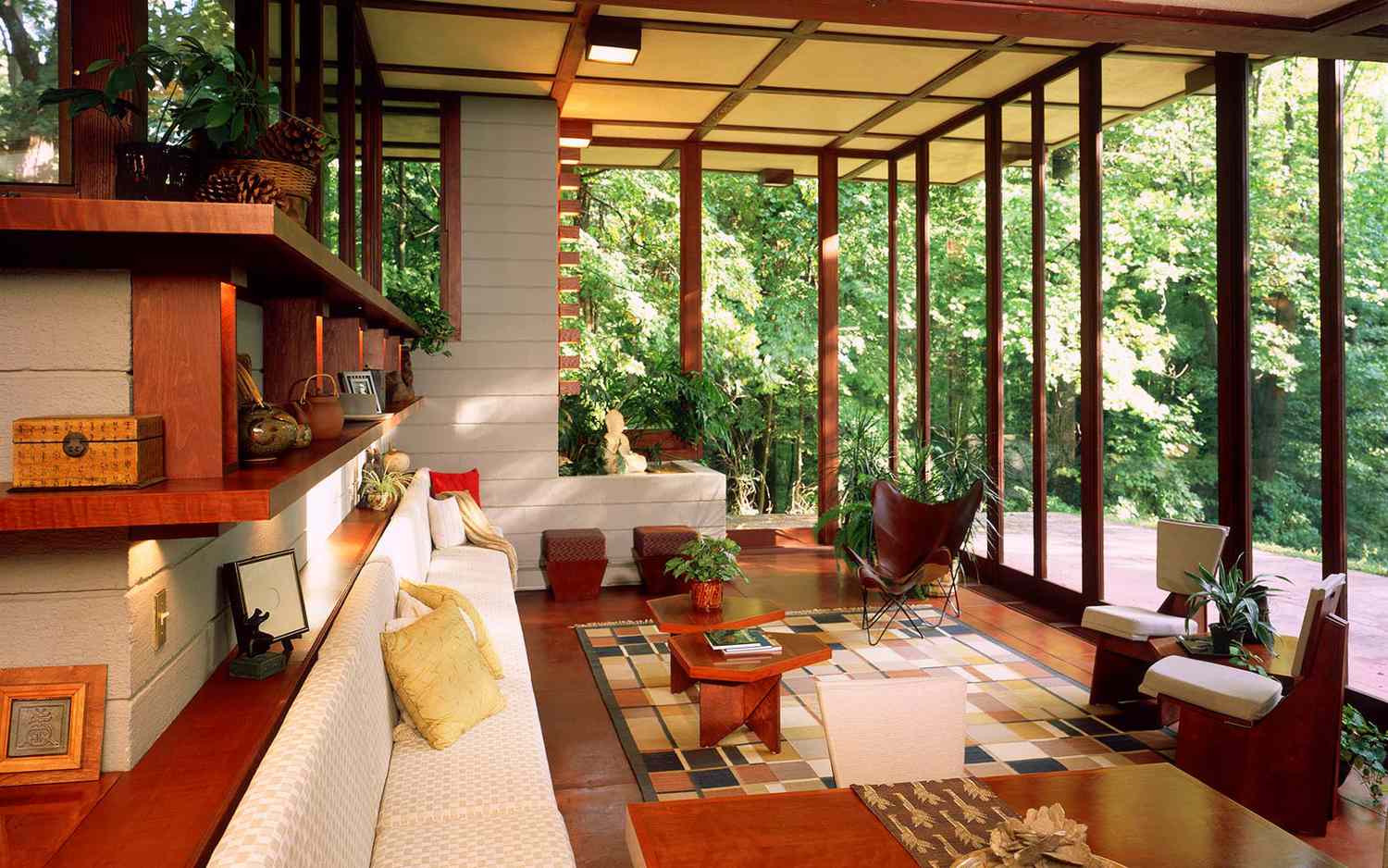
Space defines the boundaries of a room — its length, width, and height — and acts as the blank canvas on which everything else is built. Designers distinguish between positive space (where furniture and décor are placed) and negative space (the breathing room around them).
Francesca explains that “great interiors are about balance — knowing when to add and when to hold back.”
Architect Frank Lloyd Wright mastered this art through his open-plan layouts, which created a seamless flow between rooms while maintaining purpose and proportion.
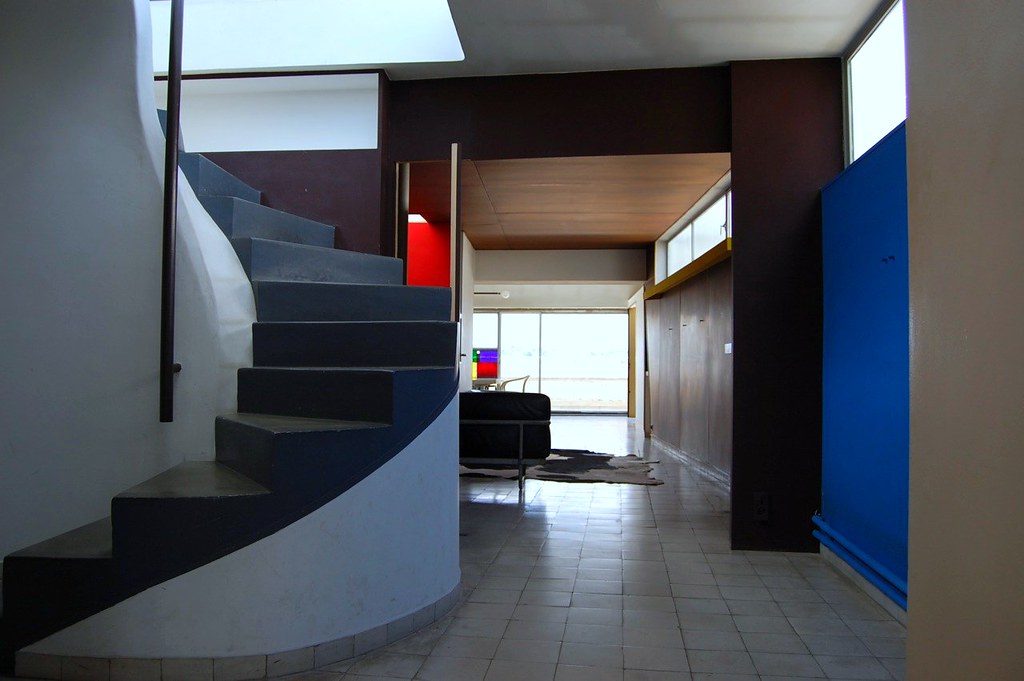
Form, or shape, refers to the three-dimensional structure of objects within a room. It’s what gives furniture and architectural details their visual weight and harmony. Clean, geometric forms evoke a modern aesthetic, while organic shapes soften a space and make it more inviting.
Designer Le Corbusier showcased this perfectly, combining form and function in his timeless modernist interiors. Francesca suggests experimenting with contrasting forms — pairing curved furniture with angular accents to add depth and movement.
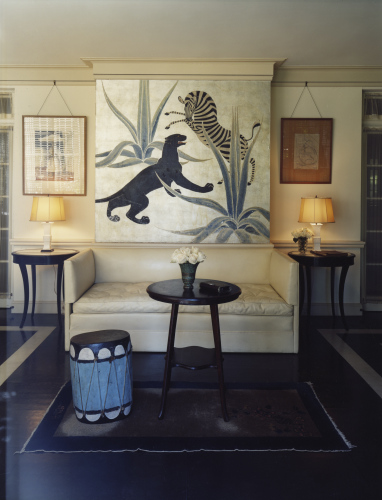
Lines guide the eye and define structure within a space. Horizontal lines evoke calm and stability, vertical lines add height and elegance, and dynamic diagonal lines bring energy and interest.
As Elsie de Wolfe once demonstrated, clever use of lines in furniture placement and moulding can completely reshape how we perceive a room. Francesca often uses lines to subtly frame focal points, drawing attention to art or architectural details.
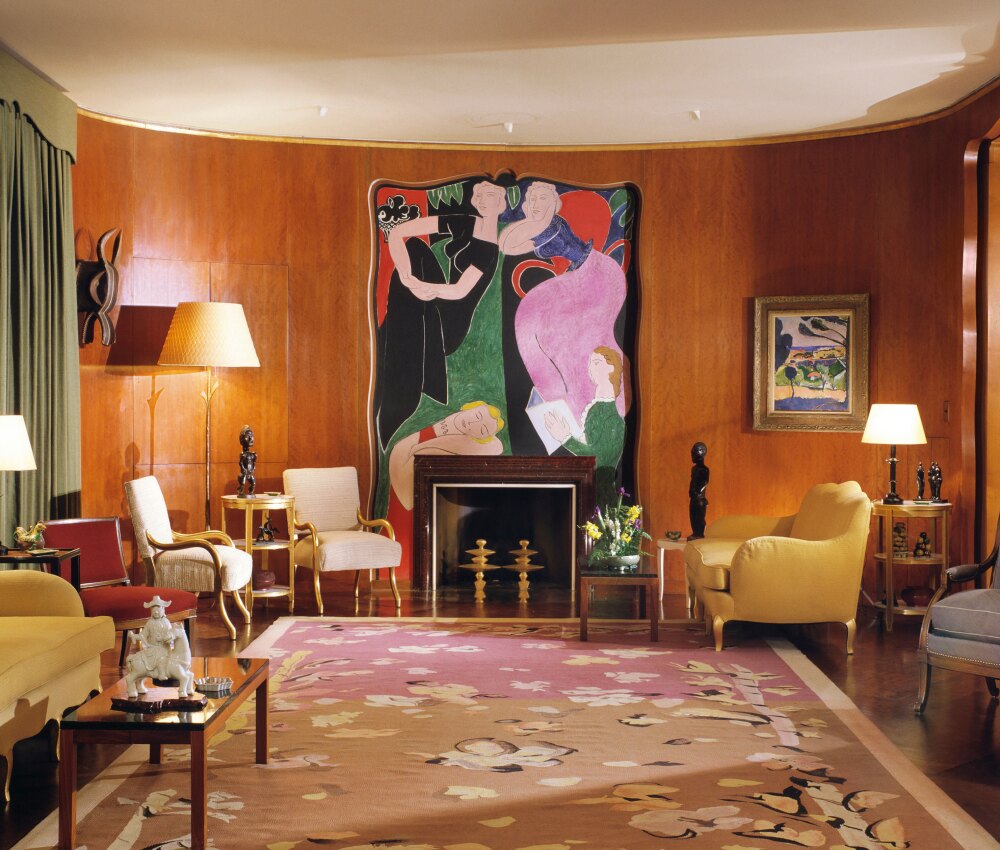
Lighting is the emotional layer of design — it determines not only what we see, but how we feel. Natural light brings warmth and vitality, while layered artificial lighting creates depth and mood.
Designer Jean-Michel Frank was renowned for his delicate interplay of shadow and illumination. Francesca notes, “Lighting is one of the simplest ways to elevate a space — think of it as jewellery for your home.”
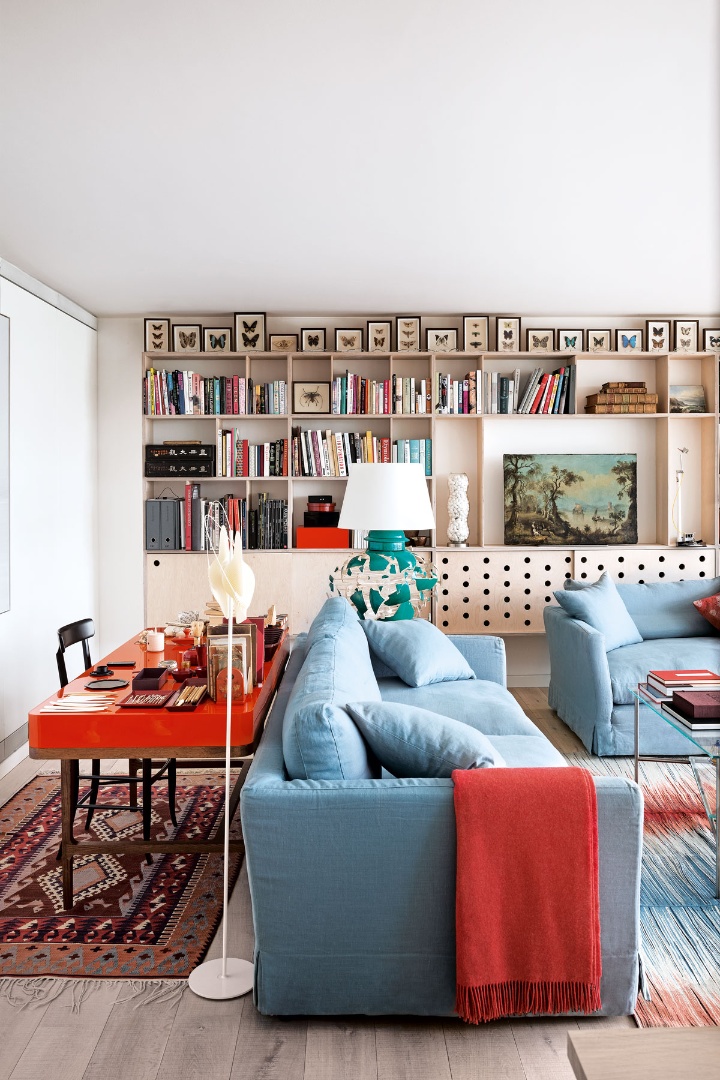
Colour is one of the most personal elements in design. It can influence mood, perception, and energy. Neutral palettes create calm and timelessness, while bold colours express personality and creativity.
British designer Sir Terence Conran championed the use of accessible colour to make design feel joyful and approachable — an ethos shared by InteriorNet and Francesca alike.
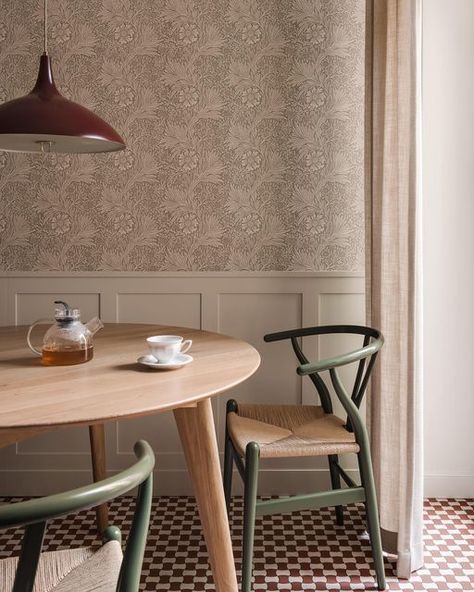
Patterns bring personality and rhythm into a space. From classic florals to modern geometrics, pattern creates visual interest and ties a scheme together.
William Morris pioneered the idea of pattern as storytelling, layering motifs inspired by nature. Francesca recommends using pattern strategically — on soft furnishings, wallpaper, or rugs — to draw the eye without overwhelming the senses.
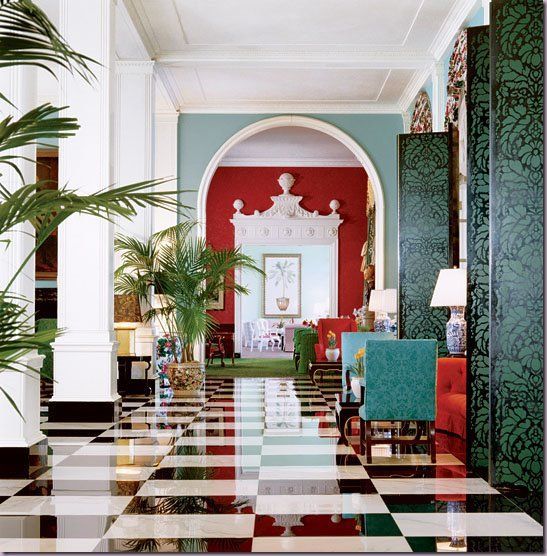
Texture is what makes a space feel alive. Mixing smooth, rough, glossy, and matte finishes adds tactile richness and dimension.
Dorothy Draper mastered texture through bold contrasts of materials — lacquered furniture against plush upholstery, for instance. Francesca often layers texture to make neutral interiors feel cosy and dynamic: “It’s the secret ingredient that makes people want to touch everything.”