
Your Designers (0)
Close (X)
Loading
Close (X)
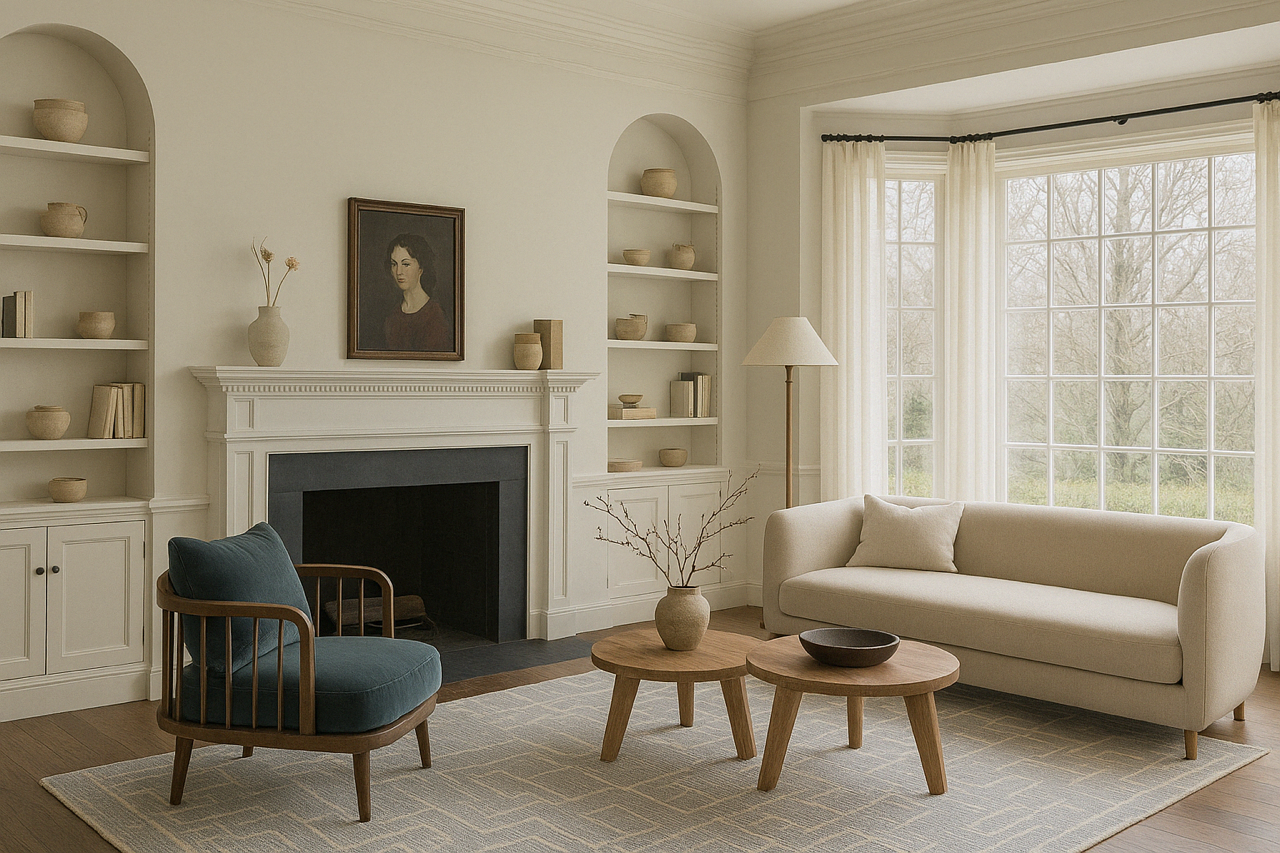
Stick to a neutral colour palette – Soft greys, warm beiges, and crisp whites create a harmonious backdrop.
Mix traditional and modern furniture – Pair classic silhouettes with contemporary textures and finishes.
Layer different textures – Combine soft upholstery, natural wood, and sleek metals for depth and warmth.
Opt for statement lighting – Chandeliers, modern pendant lights, and wall sconces add character.
Keep accessories minimal – Subtle decorative accents maintain a clean yet curated look.
Prioritise comfort and function – Transitional spaces are inviting, lived-in, and easy to navigate.
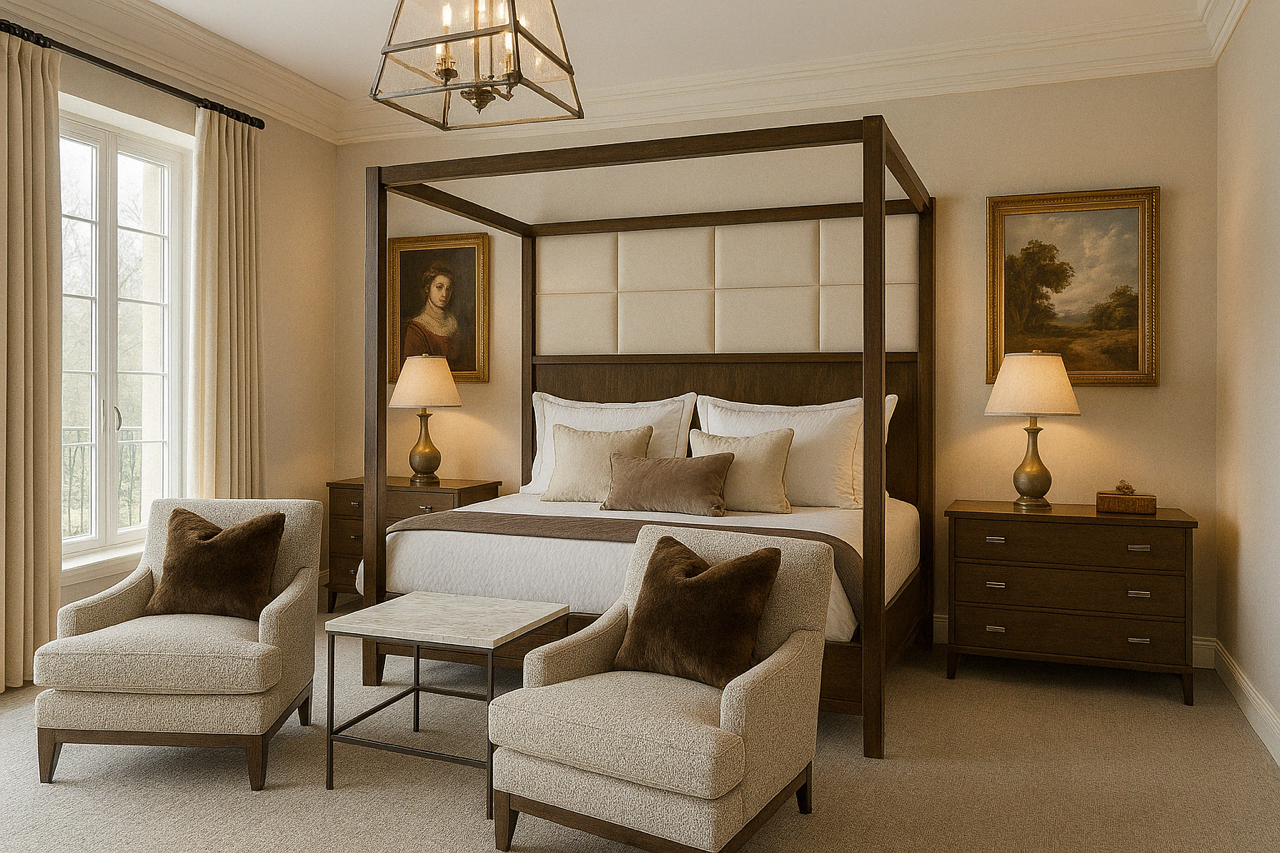
A well-executed transitional interior design effortlessly combines old and new, creating a cohesive and stylish space. If you love the charm of traditional interiors but prefer a modern, clutter-free aesthetic, working with a transitional interior designer is the ideal solution.
Want to personalise your space further? A professional designer can tailor transitional style to complement your unique taste—whether that means leaning towards classic detailing or embracing a sleeker, modern approach.
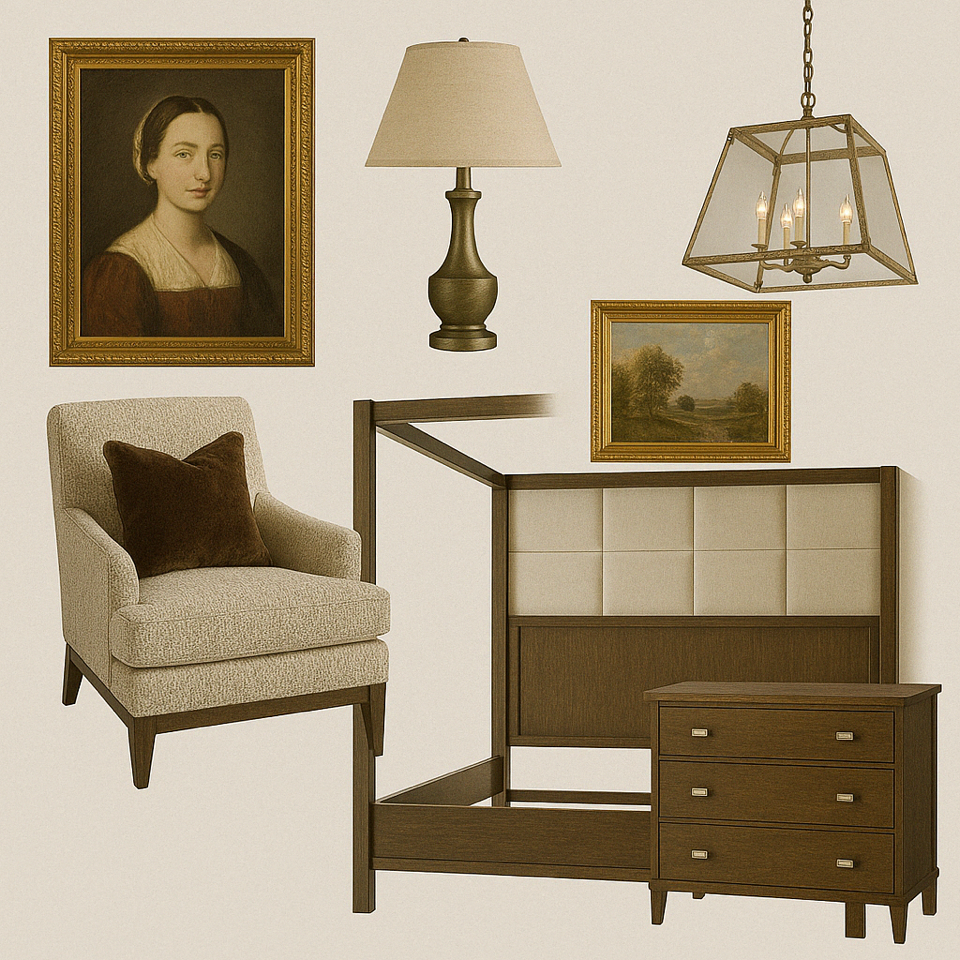
Transitional interiors may look effortless, but behind the scenes is a careful balance of design principles. Too much tradition and it can feel dated. Too modern and it loses the warmth. Not every designer understands the nuance of transitional style. You need someone who knows when to lean classic, when to go modern—and how to blend the two seamlessly.
From sourcing the ideal furniture, textiles, and decor to incorporating your existing pieces into a refreshed look, your designer will guide you through every step of the process. With a keen eye for detail and a commitment to your vision, they'll manage everything from concept to completion, ensuring your home transformation is seamless, stylish, and uniquely yours.